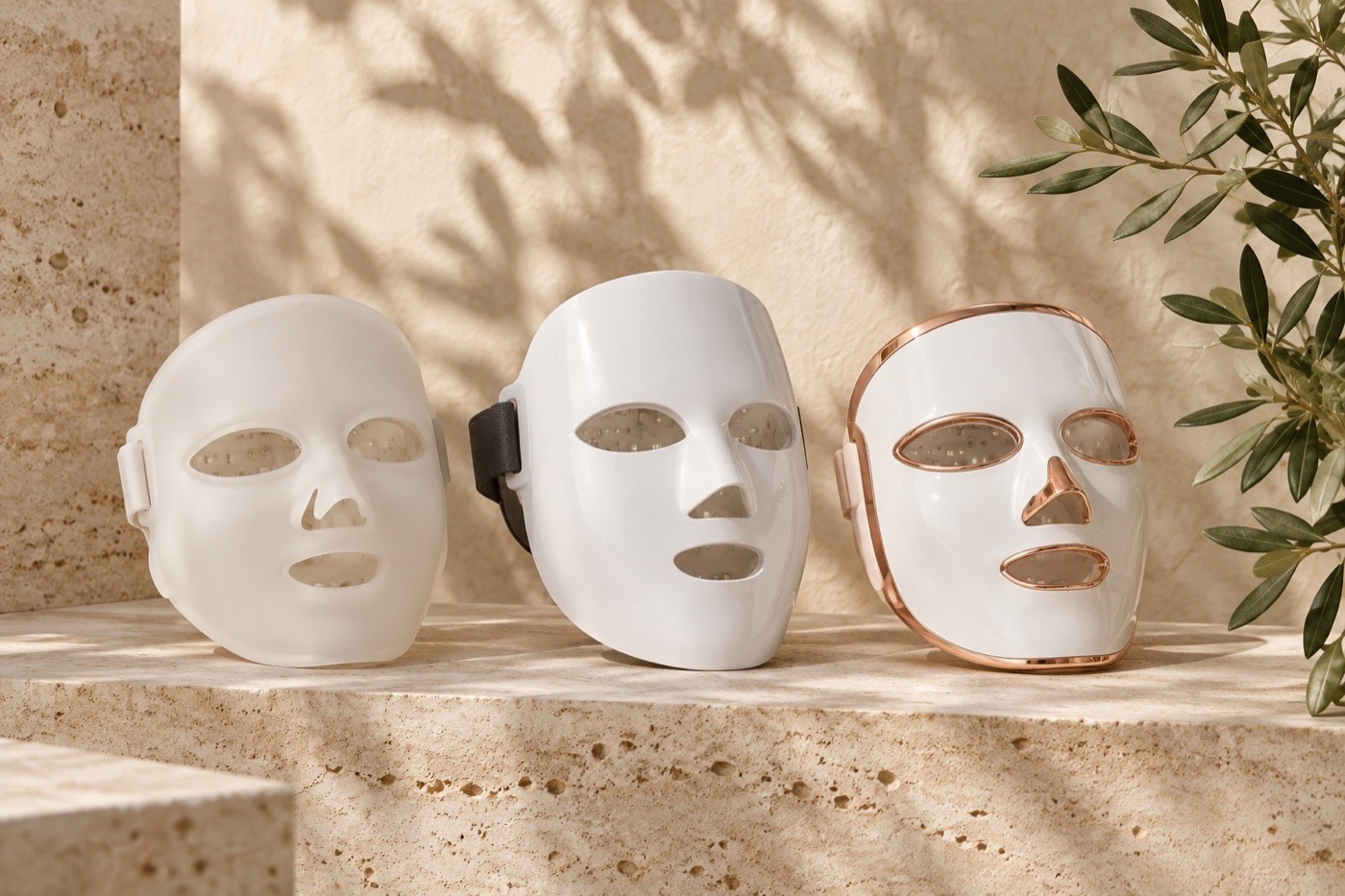
Buying guide
How to choose the right LED face mask.
A practical, evidence-based guide to the features that matter when buying an LED face mask, so you can find the right device for your skin and routine.
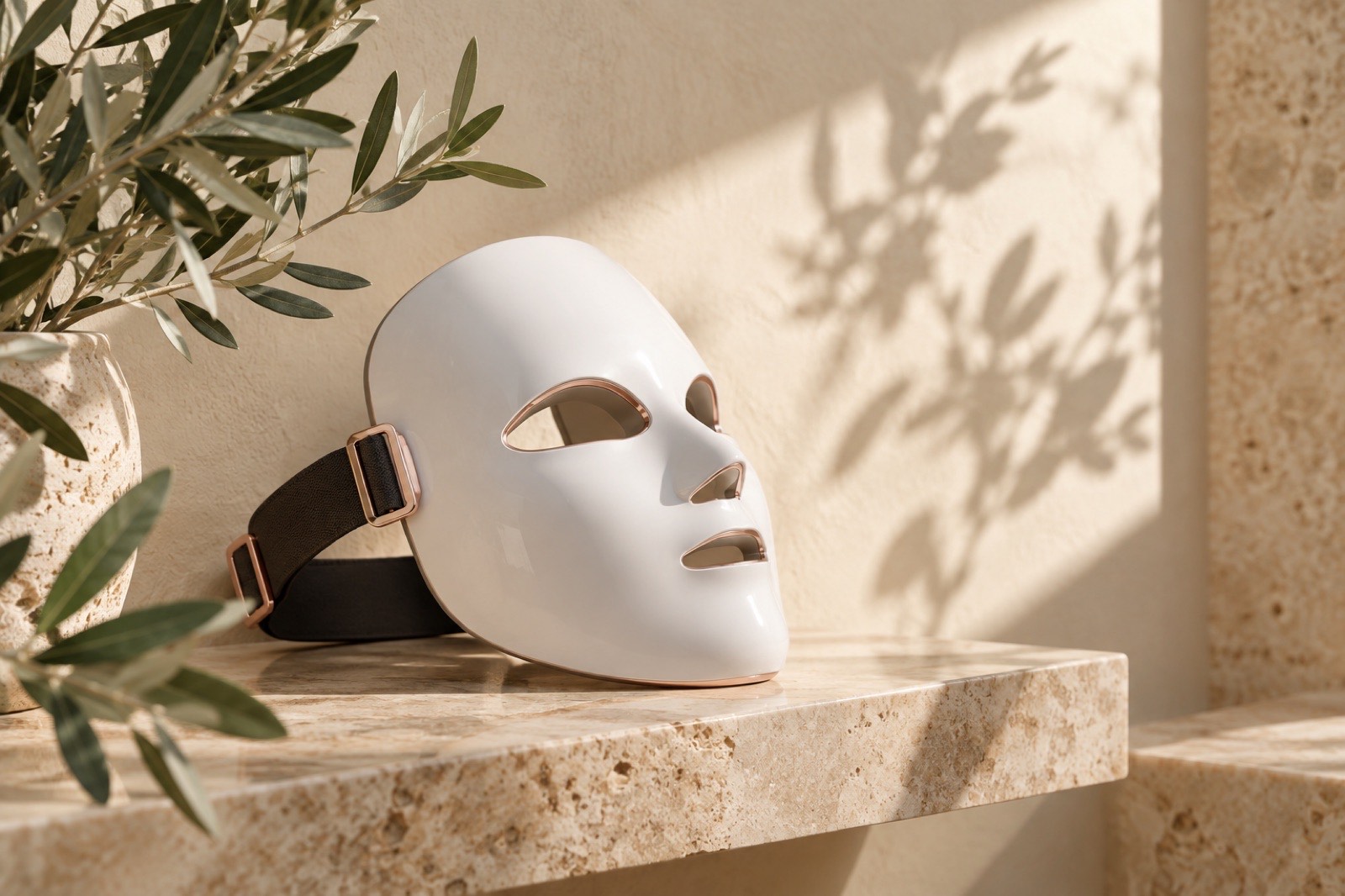
The four things to check
01Key features
Look beyond the marketing.
When comparing LED masks, focus on the details that actually influence results and usability, rather than headline claims.
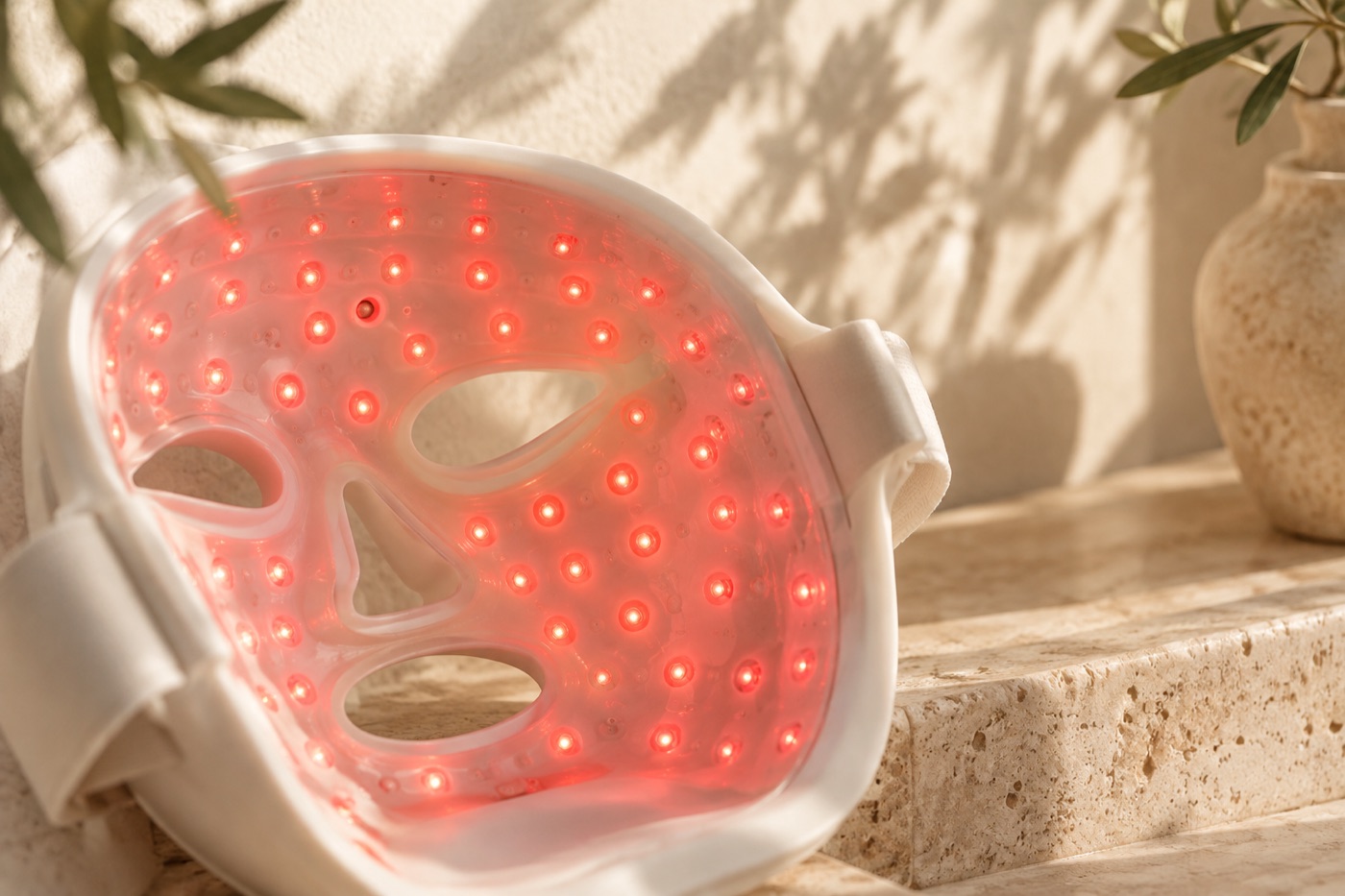
- Type of LEDs (wavelengths)
- Number and placement of diodes
- Coverage (full face or targeted)
- Light settings and modes
- Build quality and warranty
02Light settings
Understanding wavelengths.
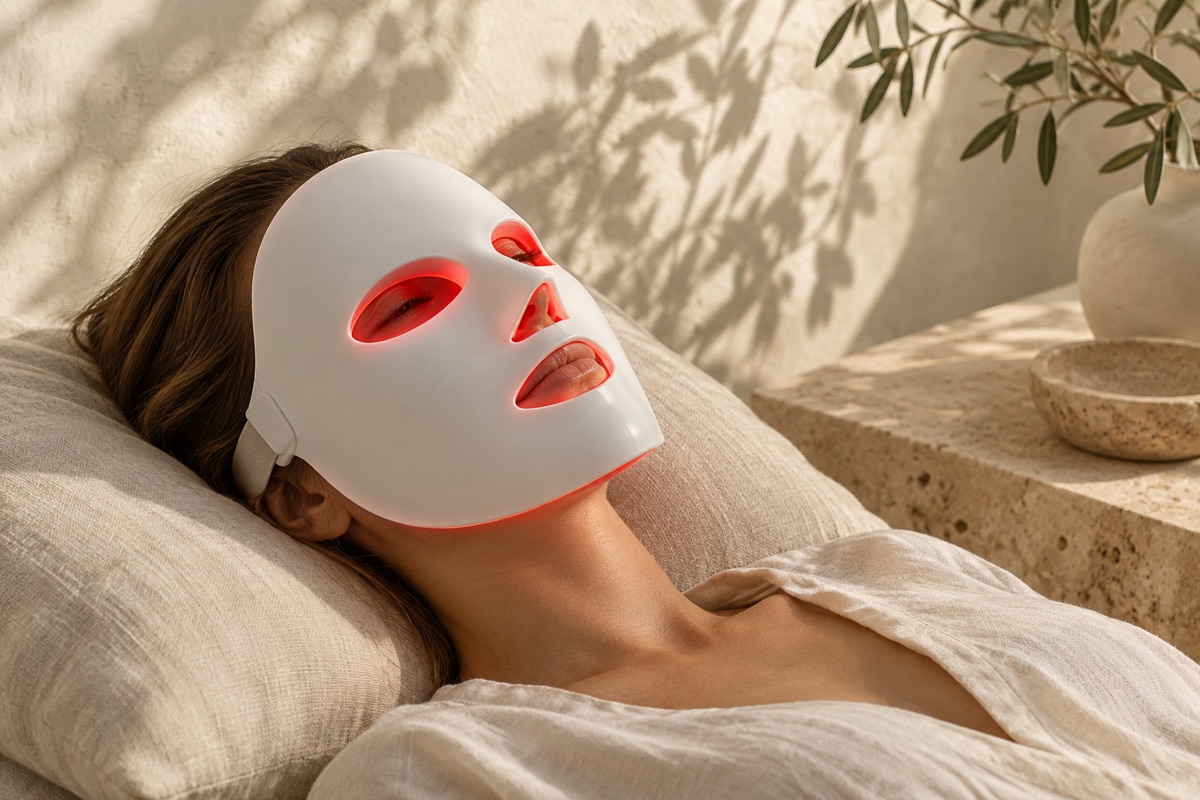
Most at-home devices use red light (around 630 to 660 nm) and near-infrared light (around 810 to 850 nm). Some also include blue light (around 415 nm), which may help with blemish-prone skin.
Learn more about wavelengths03Fit and comfort
A mask you will actually use.
A comfortable, well-fitting mask is more likely to be used consistently, which matters for potential results. Consider the weight, strap design, eye protection and whether it suits your routine.

04Safety and value
Be realistic about what to expect.
Look for clear safety information, realistic treatment guidance and transparent specifications. A higher price does not always mean better results, and the evidence for at-home devices still has limitations.
Read more about safety and limitations
Quick checklist
Key questions to ask before you buy.
Use this checklist to compare LED masks and make a more informed decision.
- Which wavelengths are included?
- How many LEDs, and what is the coverage?
- Is it comfortable and easy to use?
- Are there clear safety guidelines?
- What warranty and customer support is offered?
- Does it fit your budget and routine?
Next steps
Compare the best LED face masks.
See our independent comparison of the leading LED masks, including their features, light settings, comfort and value.